
Blog
Fat Freezing (Cryolipolysis) vs Ultrasound Fat Cavitation
Aug
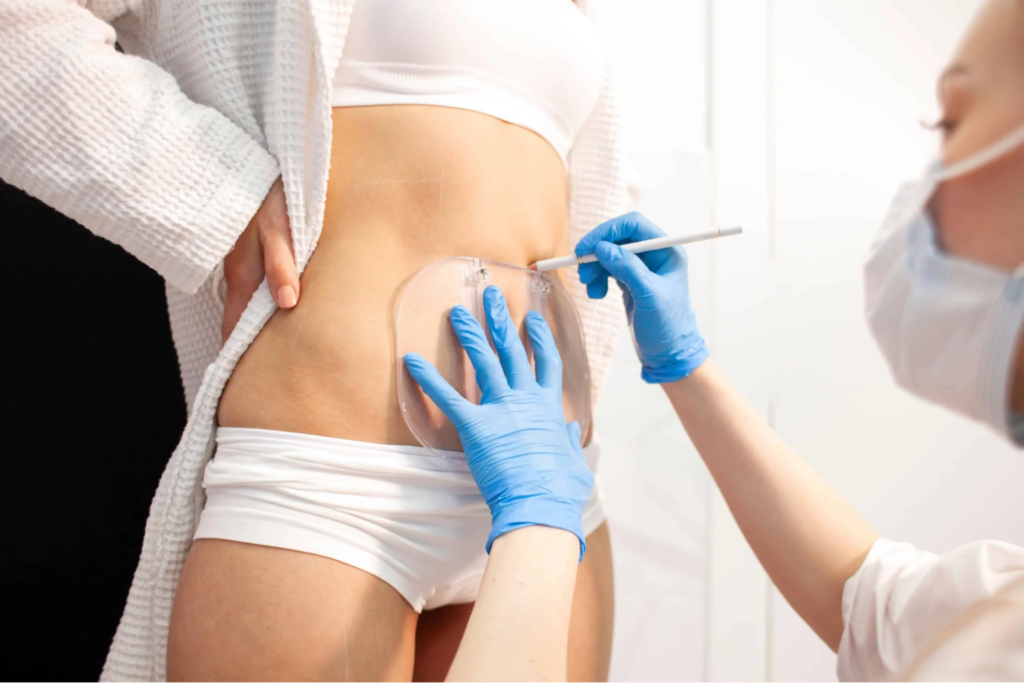
Fat freezing and ultrasound fat cavitation can both help reduce localised stubborn fat without surgery. But they work differently.
Fat freezing uses cold. Ultrasound fat cavitation uses sound waves to act on the fat cells.
The choice can depend on where the fat sits, how much is present and whether loose skin is also a concern. The number of sessions you are comfortable with matters too.
Below, we compare the two treatments, including how they work, where they are commonly used and what you can expect from each.
What Is Fat Freezing?
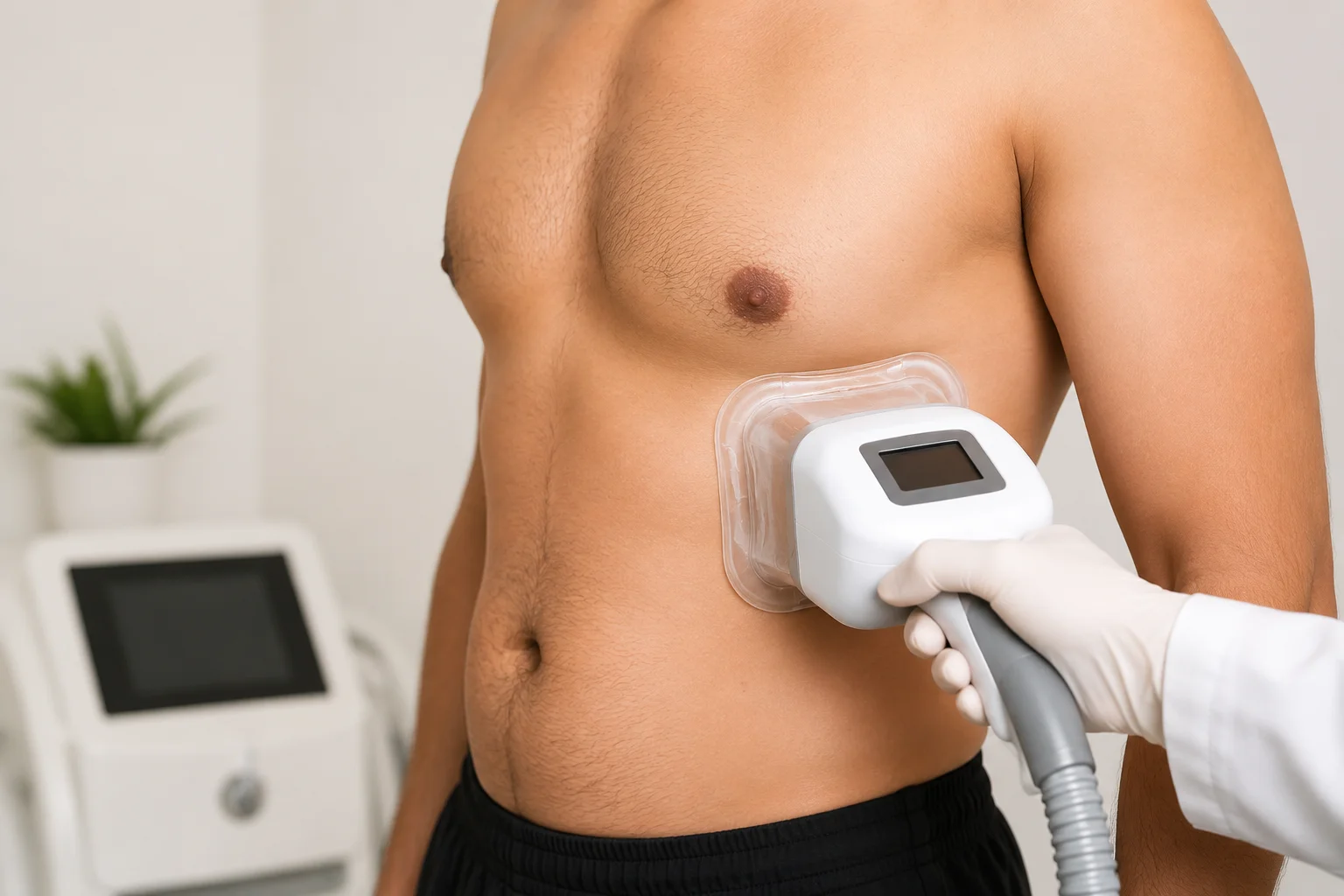
Fat freezing involves cooling a targeted area of fat tissue. It is used on smaller, defined pockets of fat that you can pinch. Medical professionals also call this treatment cryolipolysis.
How Does Fat Freezing Work?
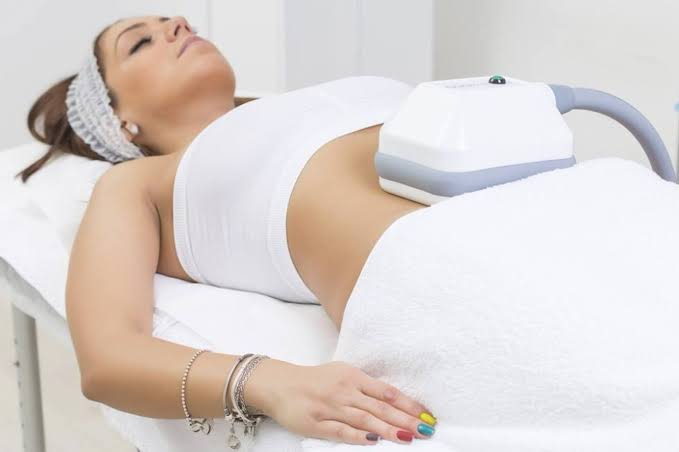
A practitioner places an applicator on the treatment area. Some applicators use suction to draw the fatty tissue into the device while it is cooled. The device applies controlled cooling to the area for 35 to 60 minutes. Fat cells respond to the cooling. The surrounding skin and tissue are less affected. Your body gradually clears away the affected fat cells over the next few weeks and months.
Common Treatment Areas for Fat Freezing
- Abdomen
- Hips/muffin top
- Flanks/love handles
- Thighs
- Back/bra strap area
- Under the buttocks/banana roll
What Is Ultrasound Fat Cavitation?
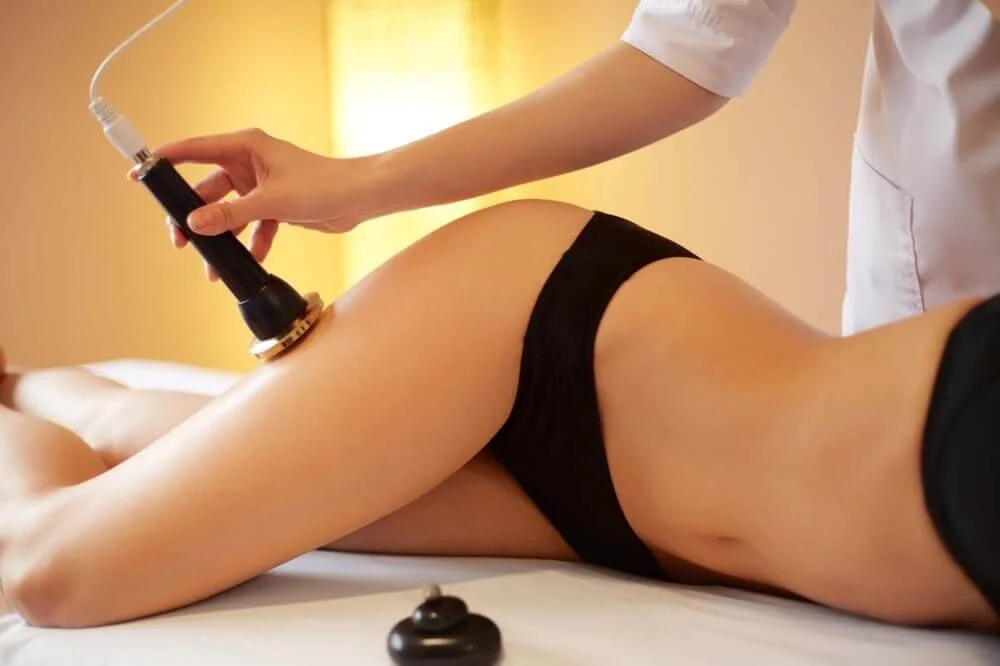
Ultrasound fat cavitation uses low-frequency ultrasound energy to target fat cells beneath the skin. It is generally used on broader areas of localised fat.
How Does Ultrasound Fat Cavitation Work?
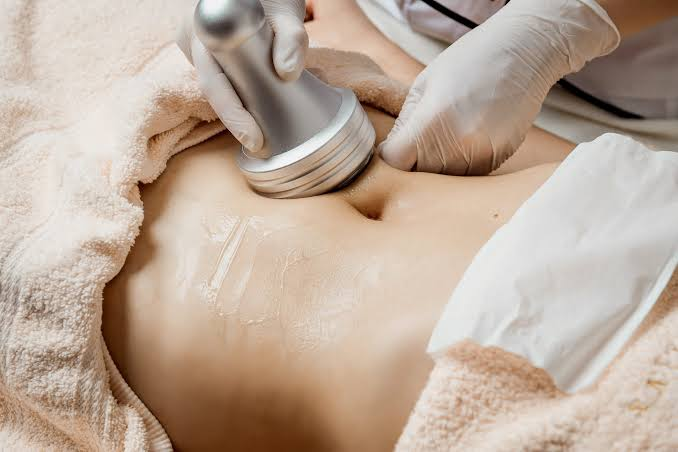
The device emits low-frequency ultrasound waves into the area to treat. The sound waves create pressure on the fat cells. This breaks them up. The contents of the fat cells are released. The released fat is carried to the liver and other tissues. The body then handles it like other fat. It can be used for energy, stored again, or broken down further.
Common Treatment Areas for Ultrasound Fat Cavitation
- Abdomen
- Hips
- Buttocks
- Inner thighs
- Upper arms

Fat Freezing and Ultrasound Fat Cavitation: What Is Similar?
- Both treatments do not involve anaesthesia, incisions or scarring.
- You can usually return to your normal activities on the same day.
- Both treatments target subcutaneous fat, which is the fat that sits beneath the skin and can usually be pinched. They do not target visceral fat, which sits deeper in the abdomen around the internal organs.
- Neither treatment is designed for weight loss.
Fat Freezing and Ultrasound Fat Cavitation: Key Differences
|
Parameter |
Fat Freezing |
Ultrasound Fat Cavitation |
|
Method |
Controlled cooling |
Ultrasound energy |
|
Best suited for |
Smaller fat pockets you can pinch |
Broader areas with more fat |
|
Sessions needed |
Usually one to three per area |
Usually six to twelve |
|
Cost |
Often higher per-session cost |
Often lower per-session cost |
|
Research evidence |
More clinical research is available |
Research is more limited and results can vary |
|
Time to see results |
Results appear gradually over several weeks |
Results develop over several sessions and may continue for up to 12 weeks |
|
What it feels like |
Cold, pulling and numbness |
Warmth or vibration; you may hear a faint ringing sound |
Note:
Ultrasound fat cavitation generally costs less per session, but it usually requires more sessions than fat freezing. Your total cost will depend on the treatment area and number of sessions needed.
Safety:
Please inform your practitioner if you are pregnant, have any pre-existing health conditions or are taking any medication before booking either of these treatments. This matters especially with fat freezing because certain cold-sensitive conditions can rule out the treatment. The consultation is also a chance to check the area you want treated and whether either option is appropriate for you.
Fat Freezing vs Ultrasound Fat Cavitation: Which One Is Right for You?
Choose fat freezing if you:
- Have small pinchable areas of fat.
- Want fewer treatment sessions.
- Do not mind waiting several weeks for results.
Choose ultrasound fat cavitation if you:
- Want to treat a broader area of fat.
- Can commit to several treatment sessions.
If loose skin is also a concern, tell your practitioner during the consultation. Fat reduction may not tighten loose skin, so this should also be considered when deciding on a treatment.

Why Choose Kalana Natural Rejuvenation Clinic for Fat Reduction?
Kalana Natural Rejuvenation Clinic offers both fat freezing and ultrasound fat cavitation at our Dee Why clinic on Sydney’s Northern Beaches.
Rather than recommending the same treatment to everyone, we first look at the area you want to target and how much fat is present. We can then recommend the option that makes sense for you.
Your treatment will be carried out by a trained practitioner using medical-grade equipment.
If you are confused about which option is right for you, visit us for a free consultation. We can look at the area you want to treat, talk you through the options and answer your questions before you decide.
