Blog
Plasma Fibroblast vs Laser Treatment

Oct
Plasma fibroblast and laser treatment are used for skin rejuvenation. But they treat different skin concerns.
A common use of plasma fibroblast is to tighten loose or sagging skin in a particular area. Laser treatment addresses texture, pigmentation, wrinkles, sun damage, and some skin laxity, depending on the type of laser used.
The two treatments can seem similar, making it hard to choose between them. Choosing the wrong one can mean unnecessary recovery time.
This guide gives an overview of both treatments to help you understand which one may be right for you.
What Is Plasma Fibroblast?
Plasma fibroblast is a non-surgical treatment using electrical energy to tighten small areas of loose or sagging skin.
How Plasma Fibroblast Works
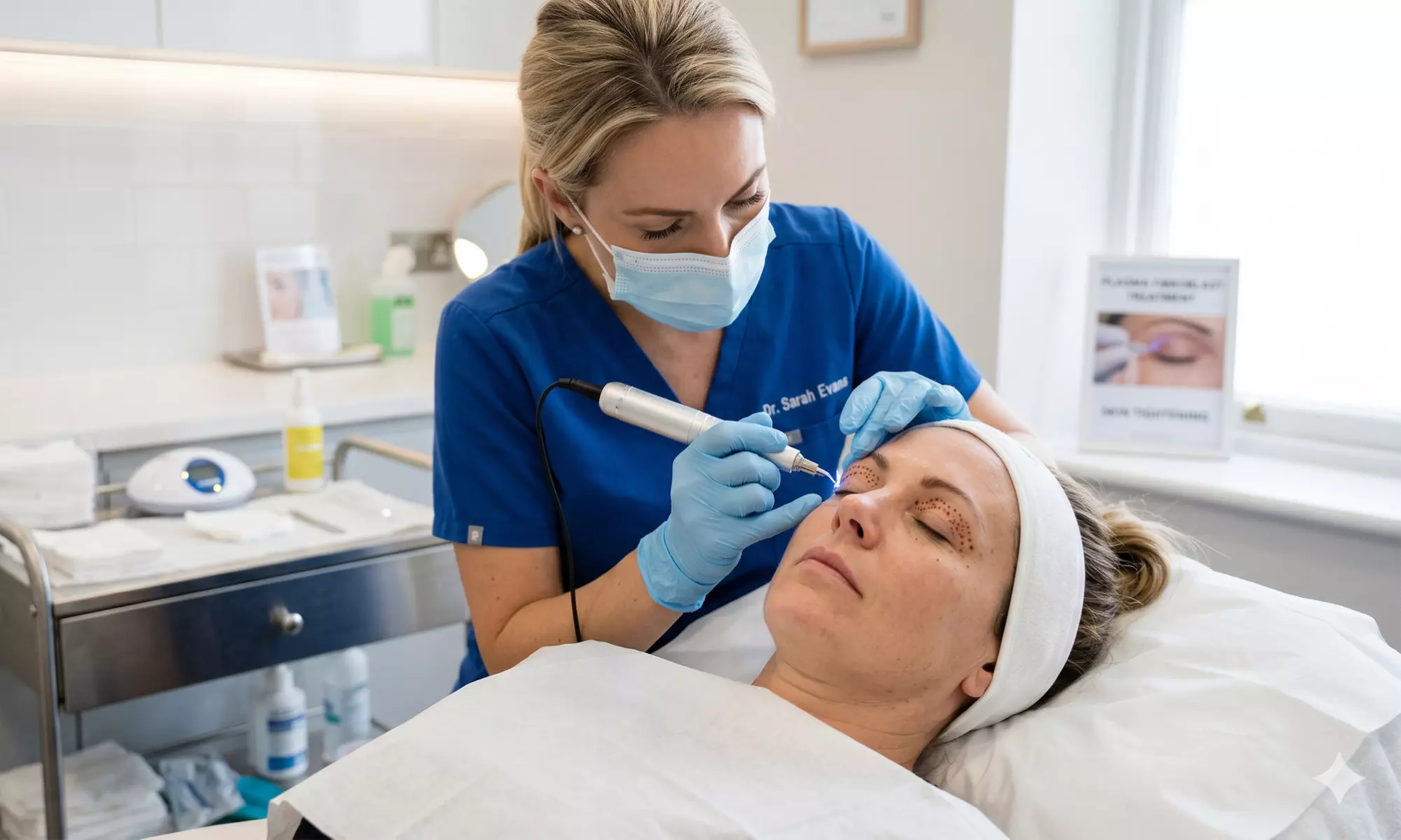
A trained practitioner uses a handheld device called a plasma pen.
The device supplies electrical energy to the tip. When the tip is held very close to the skin, the energy interacts with the air in the tiny gap. The air becomes electrically charged, creating a tiny spark that heats a small spot on the skin.
Small brown or black crusts form over these tiny heated spots after treatment. The heat causes the tissue at these points to contract, creating an immediate tightening effect. The small injuries also start the skin’s natural healing process. The skin produces and reorganises collagen, which helps give the skin structure and support.
What Is Laser Treatment?
Laser treatment uses focused light to treat the skin. Different types of lasers work at different depths.
How Laser Treatment Works
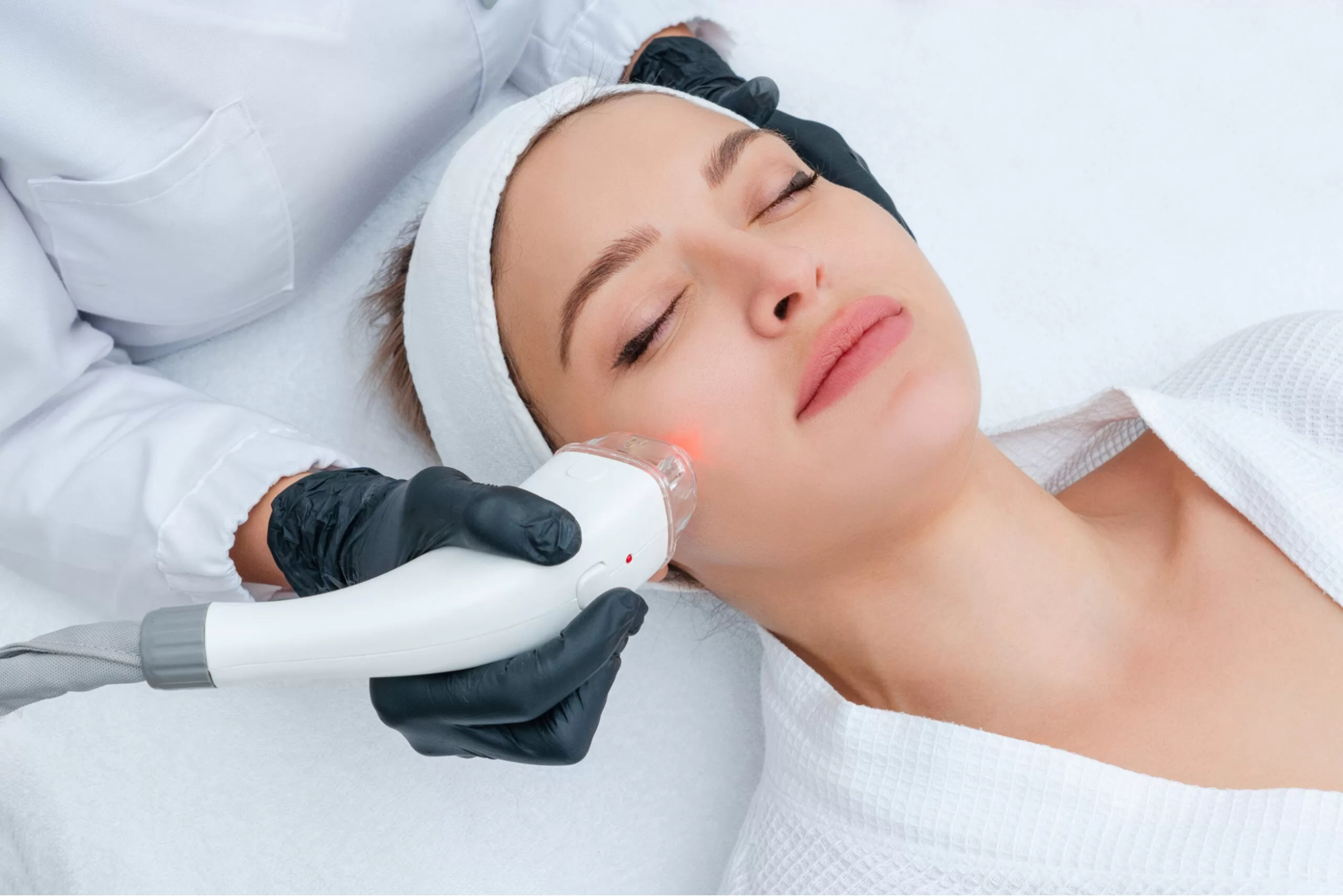
A practitioner passes a laser device over the area being treated. The light strikes areas of the skin and produces heat.
But not every laser does the same thing. Some remove skin from the surface. Others work underneath it. These are known as ablative and non-ablative lasers.
CO2 is an example of an ablative laser. It uses heat to remove very small amounts of surface skin. Some lasers do this in tiny spots rather than treating the entire surface. Your body then begins repairing these areas. Your body replaces the removed skin with new skin cells. It also stimulates production of new collagen and reorganises existing collagen, which can lead to a smoother appearance of the skin.
Non-ablative lasers do not remove the skin’s surface. The heat reaches the tissue underneath instead. Your body then repairs the heated area and makes more collagen. The changes happen gradually and can improve firmness and fine lines.
Some lasers have another purpose. They target excess pigment in the skin, which your body gradually clears.
The depth at which a laser works varies by type. This affects what it can treat as well as the recovery time.
Plasma Fibroblast vs Laser Treatment: Key Differences
|
Plasma Fibroblast |
Laser Treatment |
|
|
What does it treat? |
Small, specific areas of loose or sagging skin (around the eyelids, chin, or mouth). |
Depending on the laser, sun damage, wrinkles, acne scars, uneven texture, pigmentation, and some skin laxity. |
|
What does it feel like? |
Small, quick points of heat. Numbing cream may help reduce discomfort. |
Heat, prickling, or a rubber-band snap, depending on the laser. Numbing may be used. |
|
Recovery |
Swelling and small crusts may last several days. Recovery varies by the treatment area and individual. |
Ablative lasers may require a week or more of visible healing. Gentler lasers may cause temporary redness or swelling. |
|
Results |
Tightening may appear early and develop further as the skin heals and produces collagen. |
Results develop as the skin heals. The number of sessions depends on the laser used. |
Which Treatment Is Right for You: Plasma Fibroblast or Laser?
Plasma fibroblast may suit you if you:
- Want to treat a small area of loose or sagging skin.
- Have no skin or health problems that could make treatment unsuitable.
Laser treatment may suit you if you:
- Want to treat pigmentation, sun damage, uneven texture, wrinkles, or acne scarring.
- Are comfortable with recovery and session numbers varying by laser type.
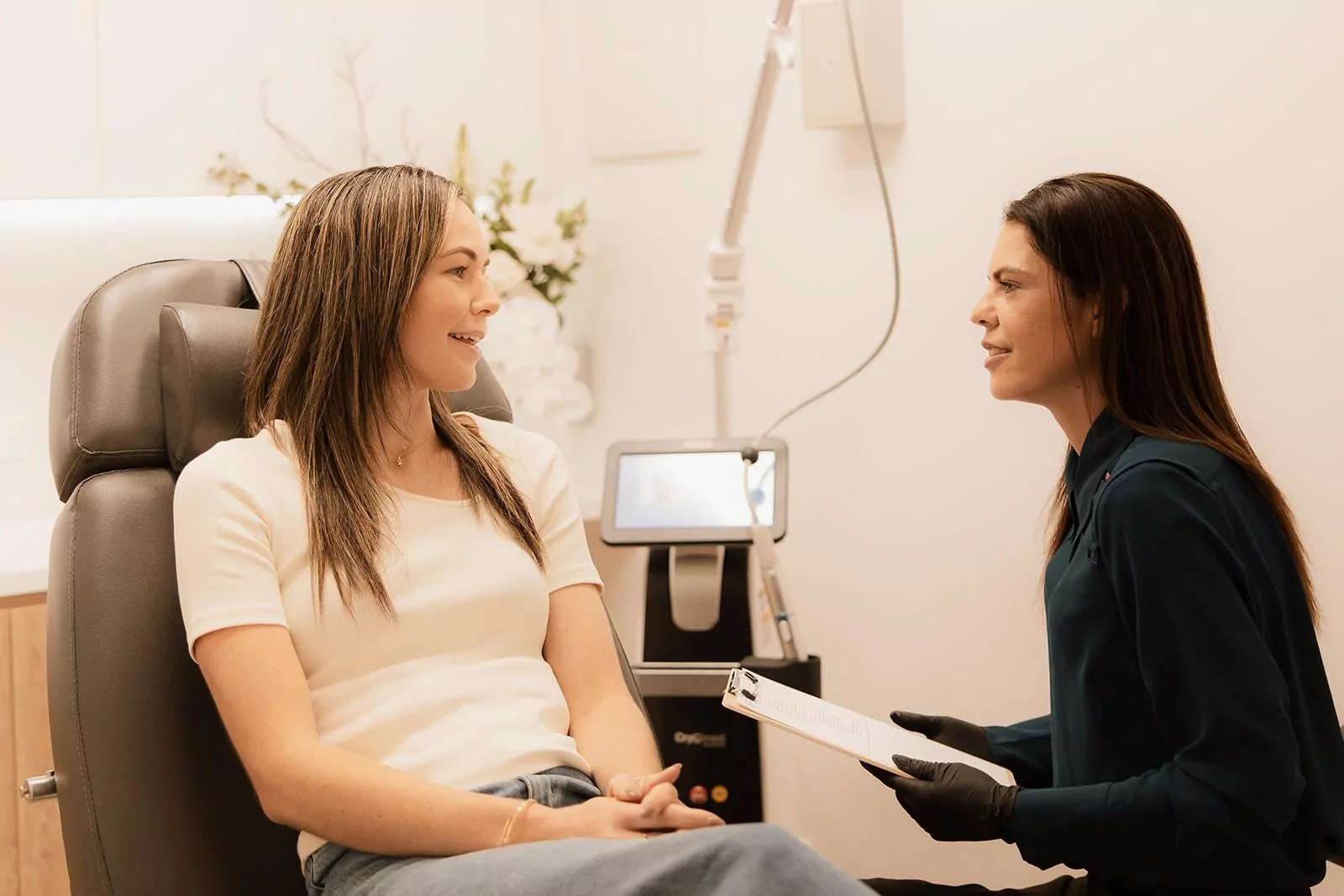
Book your Plasma Fibroblast Treatment with Kalana
Kalana Natural Rejuvenation Clinic is based in Dee Why, Sydney’s Northern Beaches. They are a team of fully trained, experienced professionals who offer plasma fibroblast and other non-surgical skin treatments.
The clinic uses the latest technology and focuses on natural-looking results. It also creates customised treatment strategies tailored to individual needs.
Book a free consultation and find out whether plasma fibroblast may suit you.
FAQs
-
Can I use plasma fibroblast and laser treatments together?
Yes, but it depends on what you want to treat. A practitioner can tell you if using both treatments is an option for you.
-
Who should avoid plasma fibroblast or laser treatment?
Plasma fibroblast or laser treatment may not be suitable if you are pregnant, have certain medical or skin conditions, or take certain medications.
-
What should I avoid after plasma fibroblast or laser treatment?
Keep the treated skin away from direct sun. Do not pick or scratch it while it heals. Avoid some skincare products until your skin heals.
