
Blog
Hydradermabrasion vs Microdermabrasion
Jul
Hydradermabrasion and microdermabrasion are two skin rejuvenation treatments that help refresh the skin and improve its appearance. Both treatments exfoliate the skin and promote a brighter complexion, but they use very different methods and have their own distinct results.
This article makes an in-depth comparison of hydradermabrasion and microdermabrasion to help you choose the right skin treatment option.
What Is Hydradermabrasion?
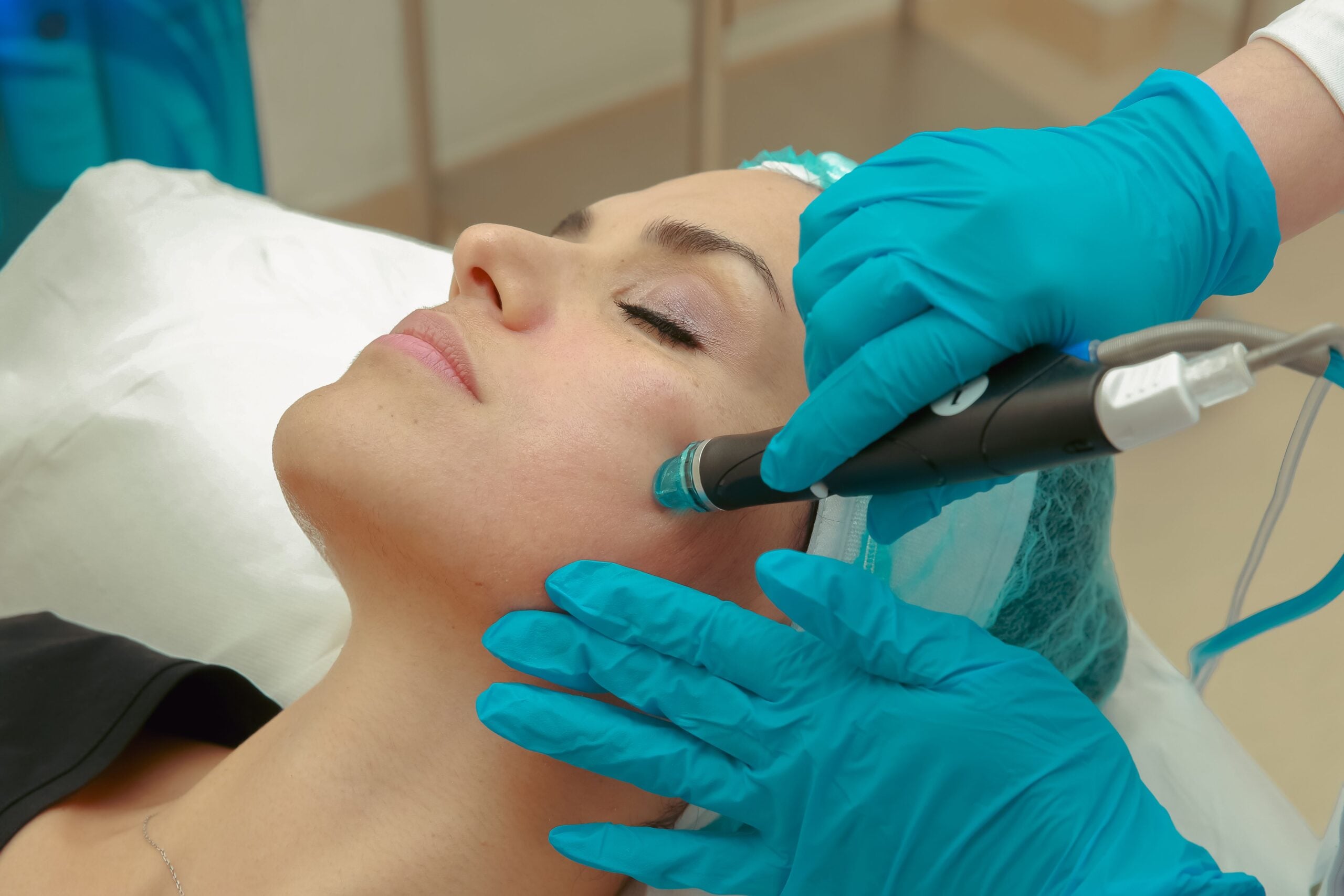
Hydradermabrasion is a non-invasive skin treatment that includes exfoliation, deep cleansing, hydration, and serum infusion in a single session.
The treatment uses a specialised device that gently removes dead skin cells while simultaneously trickling nourishing serums into the skin.
Procedure
Hydradermabrasion treatments begin with gentle exfoliation to remove dead skin cells from the surface of the skin to clear away the layer of dull, damaged cells.
Once the skin has been exfoliated, the treatment uses vacuum-assisted technology to draw out impurities from the pores. Removing excess oil, dirt, and other debris from the skin reduces congestion for a cleaner complexion.
The final step is infusing the skin with hydrating and antioxidant-rich serums, adding ingredients directly into the freshly exfoliated skin, where they can be absorbed more effectively.
Benefits of Hydradermabrasion
Hydradermabrasion can help with:
- Dehydrated skin
- Congested pores
- Dull complexion
- Mild pigmentation
- Uneven skin tone
- Fine lines
- Oily skin
What Is Microdermabrasion?
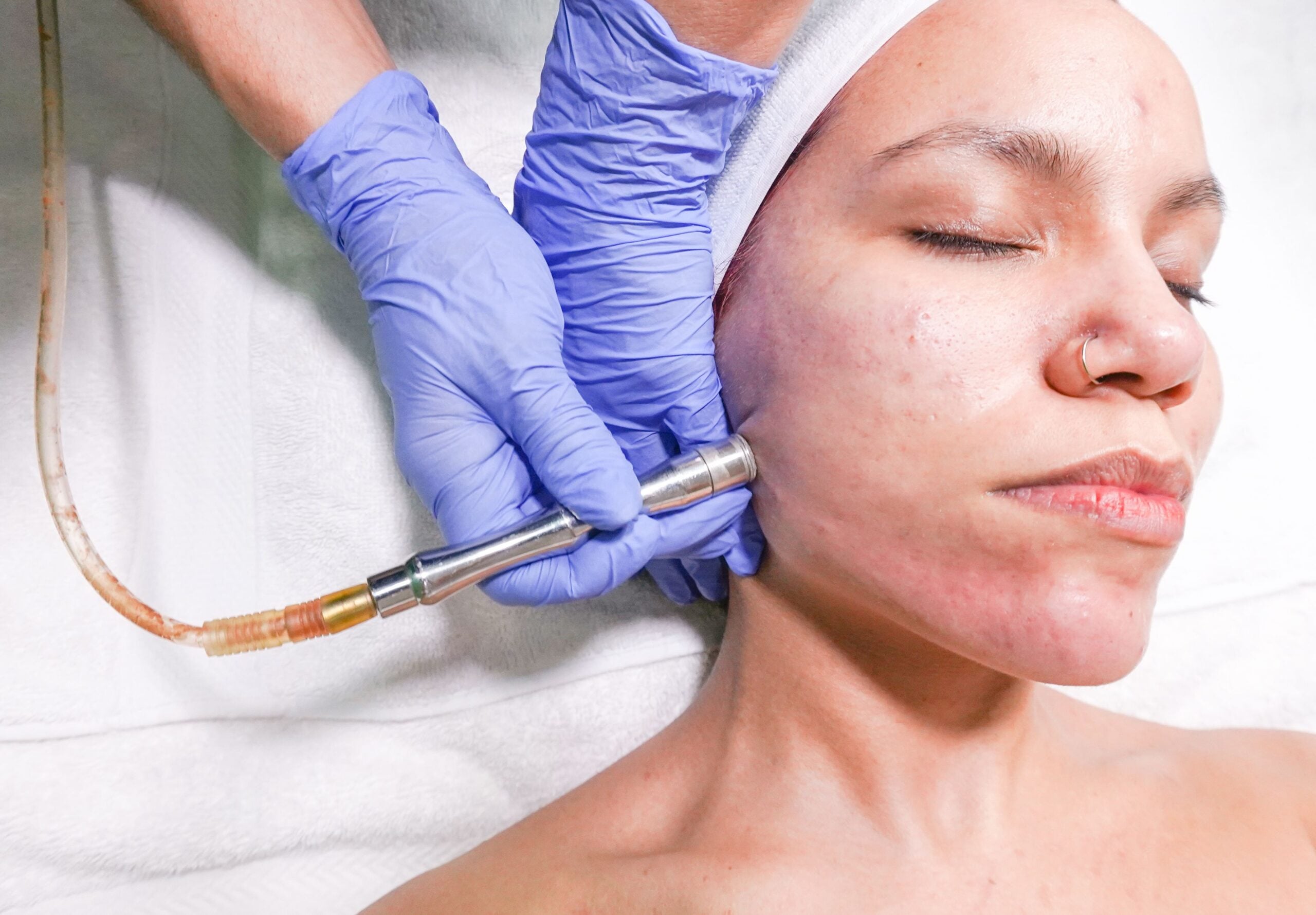
Microdermabrasion is an exfoliation treatment that removes the outermost layer of dead skin cells. The treatment uses either fine crystals or a diamond-tipped device to gently resurface the skin.
Procedure
During a microdermabrasion treatment, the device passes over the skin to exfoliate the surface layer. A vacuum mechanism simultaneously removes the loosened skin cells to stimulate cell turnover and reveal the fresher skin underneath.
Benefits of Microdermabrasion
Microdermabrasion may improve:
- Rough skin texture
- Mild acne scarring
- Enlarged pores
- Uneven skin tone
- Sun-damaged skin
- Fine lines
Hydradermabrasion vs Microdermabrasion: Key Differences
|
Feature |
Hydradermabrasion |
Microdermabrasion |
|
Primary Purpose |
Exfoliation, cleansing and hydration |
Exfoliation and resurfacing |
|
Method of Treatment |
Water-based exfoliation and serum infusion |
Mechanical exfoliation |
|
Hydration |
Deep hydration included |
No hydration component |
|
Skin Sensitivity |
Suitable for sensitive skin |
May not suit very sensitive skin |
|
Best For |
Dry, dull or congested skin |
Rough texture and mild scarring |
Which Treatment Is Better for Dry Skin?
Hydradermabrasion is the most preferred option for dry or dehydrated skin because the treatment replenishes moisture as it exfoliates. When a dermatologist adds hydrating serums directly into your skin, you’ll notice it having a plumper and healthier appearance.
Microdermabrasion removes dead skin cells, and even though the treatment can improve skin texture, it does not attain the same level of hydration.
Which Treatment Is Better for Congested Pores?
In Hydradermabrasion, the vacuum extraction process removes excess oil, dirt, and debris from the skin. This deep cleansing action makes pores less noticeable, especially for those struggling with blackheads and congestion.
Which Treatment Is Better for Texture Concerns?
Skin treatment clinics use Microdermabrasion for texture-related concerns. Physically resurfacing the outer layer of skin can improve:
- Rough skin texture
- Mild acne scarring
- Uneven skin tone
- Surface imperfections
Which Treatment Has Less Downtime?
Do you want visible improvements but you’re not willing to spend several days dealing with redness, peeling, or recovery? Then the gentle process of Hydradermabrasion is for you.
Since it relies on water-based exfoliation and hydration instead of more aggressive resurfacing methods, you can have that refreshed and radiant look as soon as you leave that skin treatment appointment with skin that looks refreshed and radiant.
Microdermabrasion needs relatively little downtime compared to more intensive skin procedures, but it is a more active form of exfoliation. The treatment physically removes the outermost layer of dead skin cells, so you might have to hide that pink-coloured or slightly flushed skin look for a day or two.
In some cases, skin professionals may recommend combining different treatments as part of a long-term treatment plan.
Book a Skin Consultation at Kalana Natural Rejuvenation Clinic
At Kalana Natural Rejuvenation Clinic, our experienced therapists assess your skin condition, discuss your options and recommend Hydradermabrasion or Microdermabrasion treatments. Book your consultation with Kalana Clinic today and take the next step towards healthier and brighter-looking skin.
Hydradermabrasion vs Microdermabrasion FAQs
Is Hydradermabrasion painful?
No. Hydradermabrasion is relaxing and comfortable.
How long does a Hydradermabrasion treatment take?
Most sessions take between 30 and 60 minutes, depending on the treatment plan.
Is Microdermabrasion suitable for sensitive skin?
Microdermabrasion is suitable for most individuals with sensitive skins, but it is ill-advised to undergo this treatment if you have conditions like broken capillaries.
Can I wear makeup after treatment?
You can use makeup and return to your normal routine shortly after treatment, although your therapist may recommend waiting a few days before applying products to your face.
